
Clinical research is how medicine moves forward. Southern Eye Specialists participate regularly in clinical trials, partnering with New Zealand and international research institutions to advance the diagnosis and treatment of eye conditions.
Our team has been recognised internationally for the quality of this work, and our patients benefit directly, gaining access to new treatments and technologies that are not yet widely available.
Register for a trial
If you would like to be considered for a current or future clinical trial at Southern Eye Specialists, complete the form.
In the news
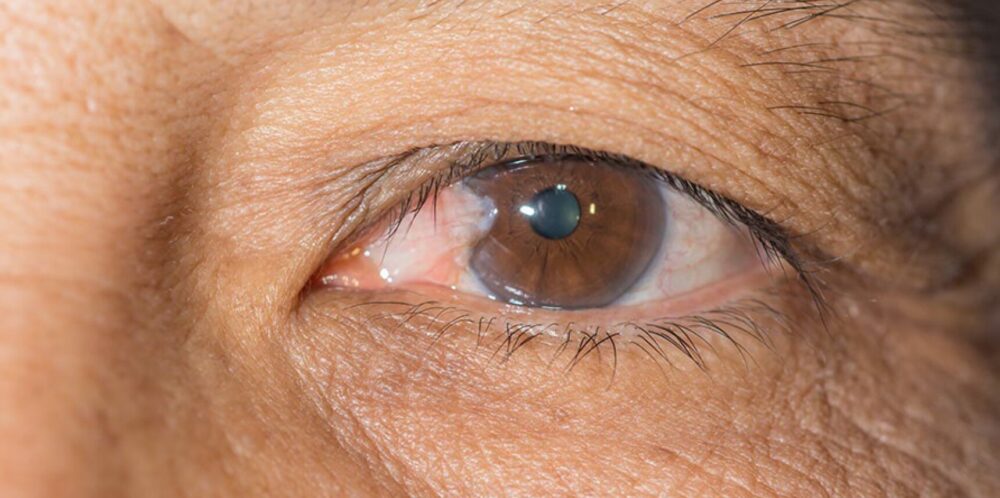
PRISM eyedrop study for Pterygium – Surfer’s Eye
Please note - The recruiting phase has now closed. We have undertaken a clinical trial investigating a potential new eyedrop for the treatment of...

Clinical trial success
A new drug to treat GeographicAtrophy in Macular Degeneration Southern Eye Specialists was recently involved in a clinical trial that has resulted...
Proof Positive
SES recognised for clinical trial expertise Running clinical studies can be demanding. There are a large number of complex processes to undertake,...
FAQs
What are the benefits of participating in a clinical trial?
Clinical trials help doctors and researchers develop better ways to diagnose, monitor, and treat eye conditions such as glaucoma, macular degeneration, diabetic eye disease, and thyroid eye disease. These studies play an important role in advancing eye care and improving outcomes for future patients.
By participating in a clinical trial, you may have access to new treatments, medications, technologies, or approaches to care that are being investigated for eye diseases. While individual benefits cannot be guaranteed, your involvement helps researchers better understand eye conditions and develop more effective ways to protect vision and preserve eye health.
Participant safety and wellbeing are always our highest priorities. All clinical trials are carefully reviewed and conducted under strict ethical and regulatory standards to ensure the rights, safety, and privacy of participants are protected throughout the clinical trial.
How do I know if I am eligible for a clinical trial?
Our research team carefully assesses each person's suitability during an initial screening visit. Depending on the clinical trial, eligibility may be based on factors such as age, eye condition, visual acuity, previous eye procedures, general health, and medication history. These requirements help ensure the clinical trial is appropriate and safe for participants.
How long does a clinical trial last?
The length varies depending on the clinical trial and the eye condition being investigated. Some studies may involve only a few visits over several weeks or months, while others may include visits over a year or longer to monitor long-term safety and treatment outcomes. Before you decide whether to participate, our research team will explain the clinical trial schedule in detail, including how many visits are required, how long each appointment will take, and any follow-up commitments.
Are there any costs involved?
There is generally no cost to you for examinations, imaging, treatments or appointments that are required specifically for the clinical trial. Reimbursement for reasonable travel or other trial-related expenses may also be available, depending on the study. Any costs or reimbursements that apply to a particular trial will be explained to you during the informed consent process.
What does participation involve?
Taking part in a clinical trial typically begins with a screening visit, where our research team will explain the clinical trial and assess whether you are eligible to participate. If you decide to take part, you will be asked to sign a consent form before any clinical trial-related procedures take place.
Depending on the clinical trial, you may attend a series of clinic visits that include eye examinations, vision testing, eye imaging, and discussions about your eye health and general health. The clinical trial team will closely monitor your progress and keep you informed every step of the way.
How many visits are usually required?
The number and frequency of clinical trial visits vary depending on the type of clinical trial and the eye condition being investigated. Some studies may involve only a few appointments, while others require follow-up visits over several months or even years. Visits may be more frequent at certain stages of a trial. Before you decide whether to participate, we will explain the required visit schedule and expected time commitment.
What happens if I change my mind?
Participation in clinical trials is completely voluntary, and you may withdraw from a at any time without providing a reason and without affecting your usual care. Depending on the trial, our research team may recommend a final follow-up visit, eye examination, or discussion with the clinical trial doctor to ensure your ongoing safety and wellbeing. Any follow-up care or treatment recommendations will be clearly explained, and we will work with you and your usual eye care providers to support you back to routine care.
What are the possible risks?
What are the possible risks?
All clinical trials have some potential risks, but these vary depending on the eye condition being studied and the treatment or medication being evaluated. Some participants may experience mild or temporary effects, such as brief discomfort during eye examinations, vision testing, eye drops, or imaging procedures.
Before deciding whether to participate, you will receive detailed information about the clinical trial, including any known risks and possible side effects. Our research team will take the time to explain what is involved, discuss how the clinical trial may relate to your eye condition, and answer any questions you may have.
How can I find out about current studies?
Our clinical trials may include studies investigating new medications, medical devices, diagnostic technologies, surgical techniques, or treatment approaches. Available studies vary over time. If you would like more information you can contact our research team directly or register your interest through our website. We will let you know if there are any current or upcoming studies that may be suitable for you.